Have you noticed a bony protrusion on the side of your big toe? If so, you may have developed the foot condition known as a bunion. Don't let bunions interfere with your daily activities.
Have you noticed a bony protrusion on the side of your big toe? If so, you may have developed the foot condition known as a bunion. Don't let bunions interfere with your daily activities.

Pickleball is fun and fast, but sudden movements can place extra stress on the Achilles tendon that connects the calf muscles to the heel bone. An Achilles tendon injury may involve irritation, a strain, or a tear. Symptoms can include heel pain, stiffness, and difficulty pushing off while walking. The injury often happens when a player suddenly accelerates, stops, or changes direction. Repeated court activity can also create stress.
Several factors can raise the risk of an Achilles tendon injury during pickleball. Returning to the sport after a long break can challenge tissues that are not prepared for quick movements. Tight calf muscles, limited flexibility, and inadequate conditioning may also contribute. Age can increase risk because tendon flexibility and resilience may gradually decrease. Previous Achilles problems are a risk factor. Intense play without enough recovery can strain the tendon.
Prevention starts before you step onto the court. Stay limber with gentle calf and ankle stretches as part of your routine. Warm up before playing so your muscles and tendons are ready for activity. Wear court shoes that provide support and traction. You can also improve balance off the court by standing on one leg for short periods with good posture. Additionally, increase playing time gradually and allow recovery between sessions.
If Achilles pain develops, a podiatrist can examine the tendon, check your walking pattern, and determine the injury severity. Imaging may be recommended when a tear is suspected. Treatment may include activity modification, wearing supportive footwear, or other measures that reduce tendon stress. More serious injuries may require immobilization and referral for surgical evaluation. Follow your podiatrist's instructions and return to pickleball gradually. If you have an Achilles tendon injury from playing pickleball, it is suggested that you promptly consult a podiatrist who can offer effective relief and treatment solutions.
Ankle and foot injuries are common among athletes and in many sports. They can be caused by several problems and may be potentially serious. If you are feeling pain or think you were injured in a sporting event or when exercising, consult with Bruce Smit, DPM from Frankfort Foot & Ankle Clinic. Our doctor will assess your condition and provide you with quality foot and ankle treatment.
Common Injuries
The most common injuries that occur in sporting activities include:
Symptoms
Symptoms vary depending upon the injury and in some cases, there may be no symptoms at all. However, in most cases, some form of symptom is experienced. Pain, aching, burning, bruising, tenderness, tightness or stiffness, sensation loss, difficulty moving, and swelling are the most common symptoms.
Treatment
Just as symptoms vary depending upon the injury, so do treatment options. A common treatment method is known as the RICE method. This method involves rest, applying ice, compression and elevating the afflicted foot or ankle. If the injury appears to be more serious, surgery might be required, such as arthroscopic or reconstructive surgery. Lastly, rehabilitation or therapy might be needed to gain full functionality in the afflicted area. Any discomfort experienced by an athlete must be evaluated by a licensed, reputable medical professional.
If you have any questions please contact our office located in Frankfort, IL . We offer the newest diagnostic and treatment technologies for all your foot and ankle needs.
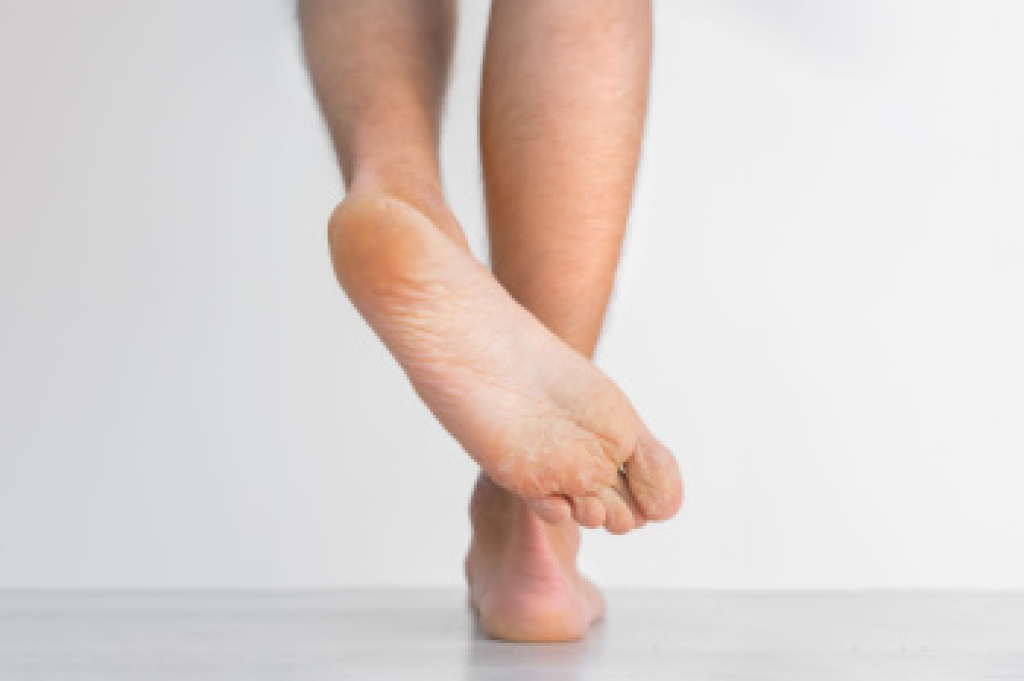
Athlete’s foot is a fungal infection that affects the skin of the feet. It can cause itching, discoloration, and cracks in the skin. These changes often appear between the toes but can develop on other parts of the foot as well. The infection may cause skin to look dry or scaly, making it easy to confuse with other skin problems. Foot psoriasis can create similar symptoms, including scaling and discoloration. Because the two problems may look alike, an accurate diagnosis is important before treatment begins. Using the wrong treatment can allow symptoms to continue or become worse.
One important difference is that athlete’s foot is caused by a fungus, while psoriasis is related to the immune system. Athlete’s foot can also spread from one person to another, unlike psoriasis. The location and appearance of symptoms may provide clues, but these features do not always make the cause clear. Athlete’s foot often produces cracking or peeling between the toes. Psoriasis may affect other parts of the body in addition to the feet. When skin changes continue, or the diagnosis is uncertain, professional evaluation can help determine what is actually causing the problem.
A podiatrist can examine persistent skin changes on the feet and determine whether athlete’s foot or another condition may be responsible. Since fungal infections and psoriasis require different approaches, identifying the correct cause can guide appropriate care. A podiatrist may evaluate the location and appearance of affected skin while considering other symptoms. Further testing may be appropriate when the diagnosis is unclear. Professional care is especially valuable when itching, cracking, or discoloration continues despite previous treatment or begins interfering with comfort. Receiving the correct diagnosis can prevent unnecessary treatment and help address the underlying cause of the skin changes. If you have ongoing symptoms that may indicate athlete’s foot, it is suggested that you consult a podiatrist for an evaluation and appropriate treatment options.
Athlete’s foot is an inconvenient condition that can be easily reduced with the proper treatment. If you have any concerns about your feet and ankles, contact Bruce Smit, DPM from Frankfort Foot & Ankle Clinic. Our doctor will treat your foot and ankle needs.
Athlete’s Foot: The Sole Story
Athlete's foot, also known as tinea pedis, can be an extremely contagious foot infection. It is commonly contracted in public changing areas and bathrooms, dormitory style living quarters, around locker rooms and public swimming pools, or anywhere your feet often come into contact with other people.
Solutions to Combat Athlete’s Foot
Athlete’s foot can cause many irritating symptoms such as dry and flaking skin, itching, and redness. Some more severe symptoms can include bleeding and cracked skin, intense itching and burning, and even pain when walking. In the worst cases, Athlete’s foot can cause blistering as well. Speak to your podiatrist for a better understanding of the different causes of Athlete’s foot, as well as help in determining which treatment options are best for you.
If you have any questions please feel free to contact our office located in Frankfort, IL . We offer the newest diagnostic and treatment technologies for all your foot and ankle needs.

Morton’s neuroma is a painful nerve problem that commonly develops near the base of the third and fourth toes. The nerve becomes enlarged and inflamed, which can lead to burning pain, tingling, or numbness in the ball of the foot. Some people describe the sensation as feeling like something is stuck beneath the forefoot. Female runners may face an increased risk because running places repeated stress on the front of the foot. Women who regularly wear narrow, pointed-toe shoes or high heels may experience additional pressure that crowds the toes and irritates the nerve.
Active women with flat feet may be particularly prone to developing a neuroma. Symptoms often begin gradually but can become more intense as the nerve continues to enlarge. Running on hard surfaces can repeatedly stress the forefoot, while certain footwear can increase compression around the toes. Morton’s neuroma is not visible on an X-ray, so diagnosis depends largely on symptoms and a physical examination. A podiatrist may press along the affected area or perform a movement that produces a noticeable click. Identifying the problem early is important because continued nerve irritation can eventually cause lasting damage.
A podiatrist can evaluate forefoot pain and determine whether Morton’s neuroma may be causing a runner’s symptoms. Treatment depends on how far the condition has progressed. Professional options include custom orthotics or other supportive devices designed to reduce pressure on the irritated nerve. More advanced cases may require surgery to release or remove the affected nerve. A podiatrist can also evaluate foot structure and determine whether other factors, such as flat feet, are contributing to repeated compression. Persistent burning, tingling, or numbness should not be ignored when it begins interfering with running or daily movement. If you are experiencing ongoing pain in the ball of the foot that may indicate Morton’s neuroma, it is suggested that you consult a podiatrist for an evaluation and appropriate treatment options.
Morton’s neuroma is a very uncomfortable condition to live with. If you think you have Morton’s neuroma, contact Bruce Smit, DPM of Frankfort Foot & Ankle Clinic. Our doctor will attend to all of your foot care needs and answer any of your related questions.
Morton’s Neuroma
Morton's neuroma is a painful foot condition that commonly affects the areas between the second and third or third and fourth toe, although other areas of the foot are also susceptible. Morton’s neuroma is caused by an inflamed nerve in the foot that is being squeezed and aggravated by surrounding bones.
What Increases the Chances of Having Morton’s Neuroma?
Morton’s neuroma is a very treatable condition. Orthotics and shoe inserts can often be used to alleviate the pain on the forefront of the feet. In more severe cases, corticosteroids can also be prescribed. In order to figure out the best treatment for your neuroma, it’s recommended to seek the care of a podiatrist who can diagnose your condition and provide different treatment options.
If you have any questions, please feel free to contact our office located in Frankfort, IL . We offer the newest diagnostic and treatment technologies for all your foot care needs.
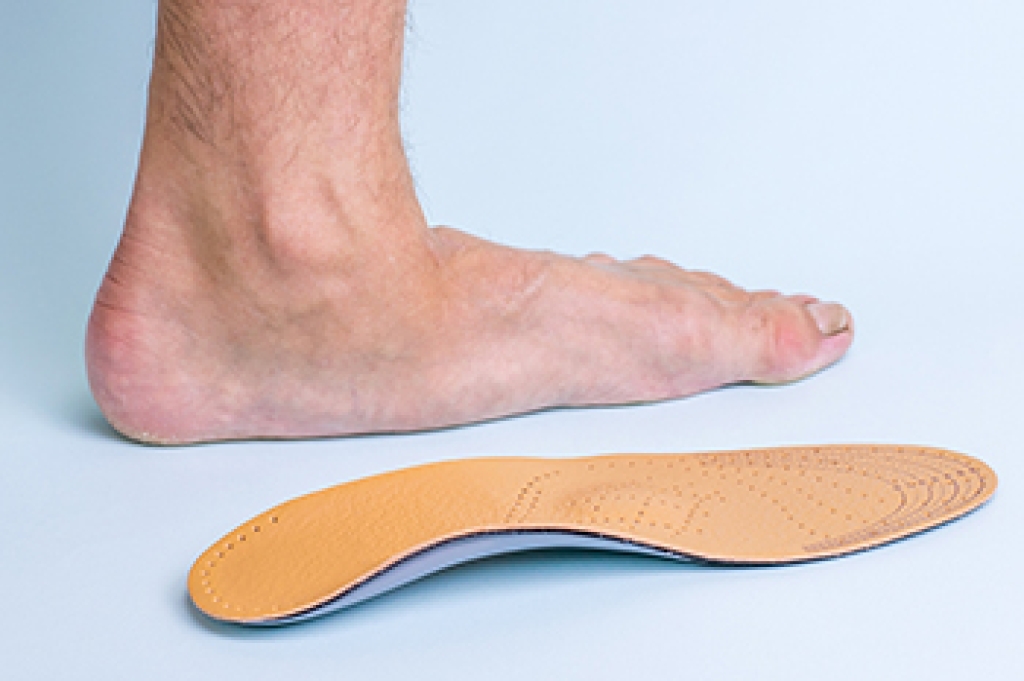
Flat feet happen when the arches flatten or remain low while standing. Some people have no symptoms, while others develop foot pain after activity. Symptoms can include aching along the arch, swelling near the inside of the ankle, and uneven shoe wear. Risk factors include aging, pregnancy, and injuries. Flat feet can also develop from stretched ligaments, tendon problems, or changes in foot structure.
Genetics can play an important role in flat feet. Some people inherit naturally low arches. Others develop acquired flat feet after injury or changes involving the posterior tibial tendon. Footwear that lacks proper support can increase discomfort. A podiatrist will review your symptoms and history, examine your feet while standing and walking, and check your shoes for wear patterns. Imaging tests may be recommended when a bone or joint problem needs closer evaluation.
Orthotics can improve foot support by redistributing pressure and guiding the feet toward a comfortable position. For flexible flat feet, prefabricated orthotics may provide cushioning and arch support. Custom orthotics may be considered when symptoms persist or precise correction is needed. A podiatrist may recommend custom devices based on your foot shape and activity level. Treatment may also include wearing supportive shoes, activity changes, and gradual orthotic use. Follow-up visits help assess comfort and make adjustments.
Healing flat feet depends on the underlying cause and severity. A podiatrist may identify the source of pain, recommend appropriate support, and monitor your progress. Severe cases may require additional treatment. The goal is to reduce strain, improve comfort, and support healthy movement. If painful flat feet are affecting daily activities and you want to learn whether orthotics may help, it is suggested that you consult a podiatrist who can provide you with a personalized treatment plan for lasting foot comfort.
If you are having discomfort in your feet and would like to try orthotics, contact Bruce Smit, DPM from Frankfort Foot & Ankle Clinic. Our doctor can provide the care you need to keep you pain-free and on your feet.
What Are Orthotics?
Orthotics are inserts you can place into your shoes to help with a variety of foot problems such as flat feet or foot pain. Orthotics provide relief and comfort for minor foot and heel pain but can’t correct serious biomechanical problems in your feet.
Over-the-Counter Inserts
Orthotics come in a wide variety of over-the-counter inserts that are used to treat foot pain, heel pain, and minor problems. For example, arch supports can be inserted into your shoes to help correct overarched or flat feet, while gel insoles are often used because they provide comfort and relief from foot and heel pain by alleviating pressure.
Prescription Orthotics
If over-the-counter inserts don’t work for you or if you have a more severe foot concern, it is possible to have your podiatrist prescribe custom orthotics. These high-quality inserts are designed to treat problems such as abnormal motion, plantar fasciitis, and severe forms of heel pain. They can even be used to help patients suffering from diabetes by treating foot ulcers and painful calluses and are usually molded to your feet individually, which allows them to provide full support and comfort.
If you are experiencing minor to severe foot or heel pain, it’s recommended to speak with your podiatrist about the possibilities of using orthotics. A podiatrist can determine which type of orthotic is right for you and allow you to take the first steps towards being pain-free.
If you have any questions, please feel free to contact our office located in Frankfort, IL . We offer the newest diagnostic and treatment technologies for all your foot care needs.