Custom orthotics, or shoe inserts, should be periodically replaced. Orthotics must fit properly to give you the best results. Protect your feet and ankles!
Custom orthotics, or shoe inserts, should be periodically replaced. Orthotics must fit properly to give you the best results. Protect your feet and ankles!

Falls are a leading cause of injury, especially among older adults, but foot health plays an important role in maintaining balance and stability. Painful feet, reduced flexibility, or changes in the way a person walks can increase the risk of losing balance. Conditions such as arthritis, bunions, and nerve damage may make standing or walking more difficult. Weakness in the feet or ankles can also reduce stability during everyday activities. In addition, poor balance may develop gradually, making it difficult to recognize an increased fall risk. Because many foot problems progress if not treated, regular podiatry evaluations are an important part of falls prevention and maintaining long-term mobility.
Several factors can contribute to falls, including reduced muscle strength, changes in vision, and certain medical conditions. Foot pain or limited ankle movement may further affect walking mechanics and make it harder to recover from a loss of balance. Some people begin taking shorter or slower steps to avoid discomfort, which can increase instability instead of improving it. A comprehensive podiatry examination evaluates foot structure, joint function, and walking patterns to identify issues that may contribute to falls. Identifying these concerns early allows treatment to begin before balance problems lead to a serious injury. Addressing foot-related conditions may also improve confidence while walking and support greater independence.
A podiatrist specializes in diagnosing and treating foot and ankle conditions that may increase the risk of falls. Professional care focuses on improving foot function, relieving pain, and helping patients move with greater stability. Treatment is individualized based on each patient's symptoms, medical history, and mobility needs. Ongoing podiatry care also allows changes in foot health to be monitored so concerns can be addressed promptly. If you are experiencing foot pain, balance problems, or difficulty walking safely, it is suggested that you consult a podiatrist for an evaluation and appropriate treatment options.
Preventing falls among the elderly is very important. If you are older and have fallen or fear that you are prone to falling, consult with Bruce Smit, DPM from Frankfort Foot & Ankle Clinic. Our doctor will assess your condition and provide you with quality advice and care.
Every 11 seconds, an elderly American is being treated in an emergency room for a fall related injury. Falls are the leading cause of head and hip injuries for those 65 and older. Due to decreases in strength, balance, senses, and lack of awareness, elderly persons are very susceptible to falling. Thankfully, there are a number of things older persons can do to prevent falls.
How to Prevent Falls
Some effective methods that older persons can do to prevent falls include:
Falling can be a traumatic and embarrassing experience for elderly persons; this can make them less willing to leave the house, and less willing to talk to someone about their fears of falling. Doing such things, however, will increase the likelihood of tripping or losing one’s balance. Knowing the causes of falling and how to prevent them is the best way to mitigate the risk of serious injury.
If you have any questions, please feel free to contact our office located in Frankfort, IL . We offer the newest diagnostic and treatment technologies for all your foot care needs.
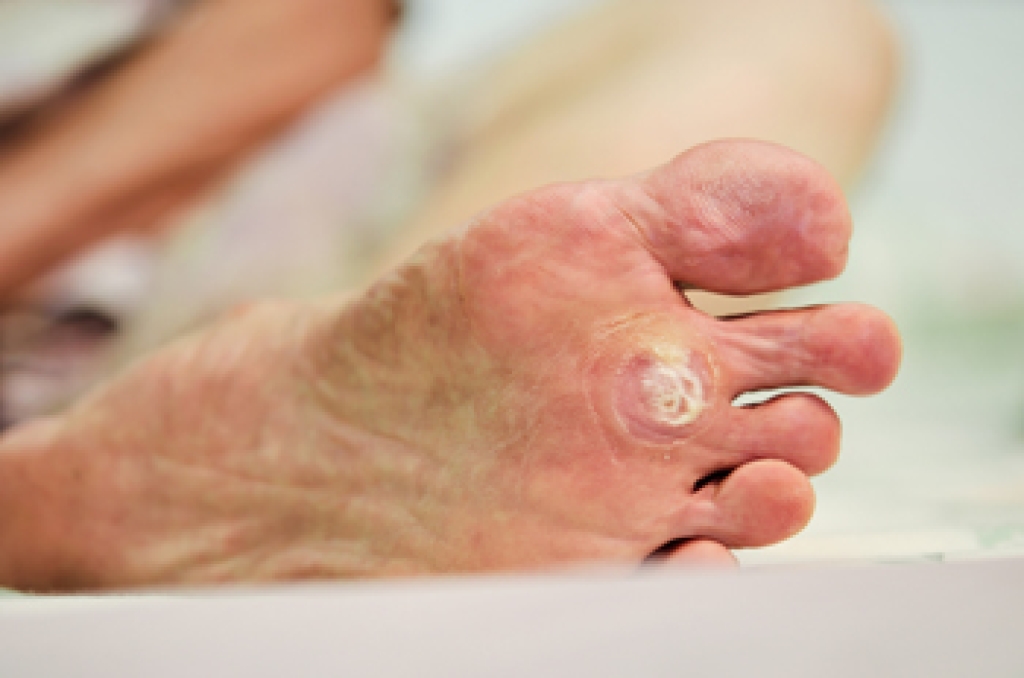
Plantar warts are skin growths that develop on the soles of the feet. They are caused by certain types of human papillomavirus, or HPV. The virus enters through tiny cuts or weakened areas in the skin. Plantar warts, also known as verrucas, can appear alone or in a cluster, called a mosaic wart. Because pressure from standing pushes the growth inward, it usually looks flat rather than raised. Signs include a rough patch, tiny black dots, and thickened skin. The black dots are small blood vessels, not dirt. A wart on a weight-bearing area can cause sharp pain or tenderness when walking.
Plantar warts spread through direct contact with HPV or surfaces carrying the virus. Damp floors in locker rooms, public showers, and pool areas create settings where exposure can occur. Infection is more likely when the skin is wet, cracked, or scraped. The virus can also move to another part of the foot when a wart is scratched or picked. Not every rough spot is a wart. Corns, calluses, and other skin growths can look similar. A podiatrist can examine the area, trim away a small amount of thick skin, and check for signs that confirm the diagnosis. This evaluation is especially important if the growth bleeds, changes appearance, or causes persistent pain.
Treatment depends on the wart’s size, depth, and location. The podiatrist also considers how it affects daily activity. Office care includes carefully applied chemical treatments or cryotherapy, which freezes affected tissue. Stubborn warts can require repeated visits because the virus can remain in nearby skin. A podiatrist can reduce thick skin, ease pressure, and protect painful areas with padding or off-loading devices. Treatment requires extra care for patients with diabetes, poor circulation, or reduced feeling in the feet. Follow-up visits help track healing and address returning growths. If you have developed a planter wart, it is suggested that you schedule an appointment with a podiatrist for a diagnosis and appropriate treatment.
Plantar warts can be very uncomfortable. If you need your feet checked, contact Bruce Smit, DPM from Frankfort Foot & Ankle Clinic. Our doctor will assist you with all of your foot and ankle needs.
About Plantar Warts
Plantar warts are the result of HPV, or human papillomavirus, getting into open wounds on the feet. They are mostly found on the heels or balls of the feet.
While plantar warts are generally harmless, those experiencing excessive pain or those suffering from diabetes or a compromised immune system require immediate medical care. Plantar warts are easily diagnosed, usually through scraping off a bit of rough skin or by getting a biopsy.
Symptoms
Treatment
To help prevent developing plantar warts, avoid walking barefoot over abrasive surfaces that can cause cuts or wounds for HPV to get into. Avoiding direct contact with other warts, as well as not picking or rubbing existing warts, can help prevent the further spread of plantar warts. However, if you think you have developed plantar warts, speak to your podiatrist. He or she can diagnose the warts on your feet and recommend the appropriate treatment options.
If you have any questions, please feel free to contact our office located in Frankfort, IL . We offer the newest diagnostic and treatment technologies for all your foot care needs.

Pain in the ball of the foot develops when the area behind the toes bears too much pressure. Symptoms include burning, aching, or sharp pain. Tingling or numbness in the toes may also occur. The feeling that a small stone is trapped beneath the foot is common. Discomfort can build gradually and make standing, walking, or exercising difficult. Although the pain occurs in one area, several problems can cause it. A proper diagnosis is important because treatment should address the source of the pressure rather than the discomfort alone.
Possible causes include high-impact sports, excess body weight, and wearing shoes with a narrow toe box. High heels can shift body weight forward and place added stress on the forefoot. Arthritis, diabetes, or changes in foot shape can also contribute to pain. A bunion or hammertoe can alter how weight moves across the foot. Calluses, an irritated nerve, or a stress fracture may produce similar symptoms. Sudden severe pain, swelling, or an inability to bear weight requires prompt medical attention. Patients should also seek care when pain begins without an obvious injury or continues to limit normal activities.
A podiatrist can examine the foot, study how the patient walks, and locate areas of increased pressure. X-rays or other imaging can help identify bone injuries, joint changes, or soft-tissue problems. Based on the findings, treatment options include custom orthotics to improve weight distribution. A podiatrist can also recommend shoes with proper cushioning, support, and enough room for the toes. Padding or off-loading devices can reduce pressure on the painful area. In some cases, an injection can reduce inflammation and provide relief. Regular follow-up visits allow the podiatrist to check progress and adjust the treatment plan, as needed. If you have pain in the ball of the foot, it is suggested that you schedule an appointment with a podiatrist for a diagnosis and appropriate treatment.
Foot Pain
Foot pain can be extremely painful and debilitating. If you have a foot pain, consult with Bruce Smit, DPM from Frankfort Foot & Ankle Clinic. Our doctor will assess your condition and provide you with quality foot and ankle treatment.
Causes
Foot pain is a very broad condition that could be caused by one or more ailments. The most common include:
Diagnosis
To figure out the cause of foot pain, podiatrists utilize several different methods. This can range from simple visual inspections and sensation tests to X-rays and MRI scans. Prior medical history, family medical history, and any recent physical traumatic events will all be taken into consideration for a proper diagnosis.
Treatment
Treatment depends upon the cause of the foot pain. Whether it is resting, staying off the foot, or having surgery; podiatrists have a number of treatment options available for foot pain.
If you have any questions, please feel free to contact our office located in Frankfort, IL . We offer the newest diagnostic and treatment technologies for all your foot care needs.
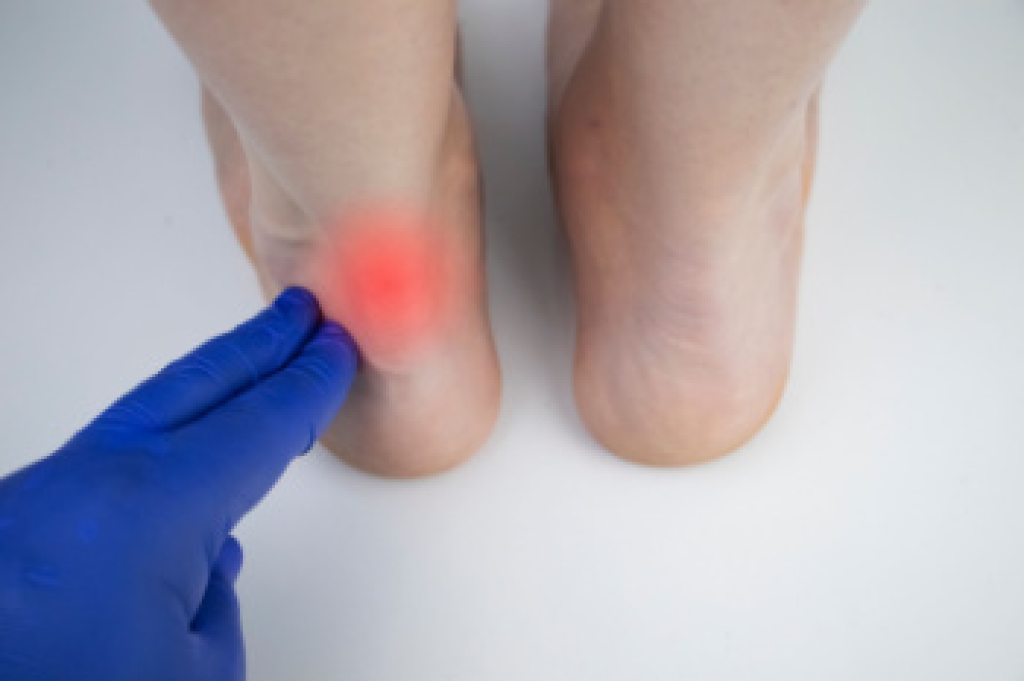
An Achilles tendon injury affects the strong band of tissue that connects the calf muscles to the heel bone. This tendon plays a key role in walking, running, and jumping by allowing the foot to push off the ground. Injuries can range from mild irritation to partial or complete tears. These injuries often develop due to overuse or sudden stress on the tendon. Understanding the definition and causes of Achilles tendon injuries can help individuals take steps to protect their mobility.
Symptoms of an Achilles tendon injury may include pain along the back of the heel, stiffness, and swelling. Discomfort is often worse during activity or after periods of rest. Some individuals notice a tight feeling in the lower leg or difficulty pushing off while walking. In more severe cases, a sudden sharp pain may occur, sometimes described as a snapping sensation. Reduced strength and limited movement can affect daily activities and athletic performance.
Several risk factors contribute to Achilles tendon injuries. Weak calf muscles and ankle instability can increase strain on the tendon during movement. Changes in playing surface, such as moving from soft to hard ground, may place additional stress on the foot and ankle. Wearing high heels regularly can shorten the tendon over time, making it more vulnerable to injury when switching to flat shoes. Other risk factors include sudden increases in physical activity, improper footwear, and inadequate warm up routines.
Preventing Achilles tendon injuries involves strengthening the calf muscles, improving flexibility, and maintaining proper footwear habits. Gradual increases in activity and attention to surface changes can reduce strain on the tendon. Stretching exercises and supportive shoes can help maintain proper alignment and reduce injury risk. Early recognition of symptoms allows for timely care and better outcomes. If you have an Achilles tendon injury, it is suggested that you consult a podiatrist for effective relief and treatment solutions.
Achilles tendon injuries need immediate attention to avoid future complications. If you have any concerns, contact Bruce Smit, DPM of Frankfort Foot & Ankle Clinic. Our doctor can provide the care you need to keep you pain-free and on your feet.
What Is the Achilles Tendon?
The Achilles tendon is a tendon that connects the lower leg muscles and calf to the heel of the foot. It is the strongest tendon in the human body and is essential for making movement possible. Because this tendon is such an integral part of the body, any injuries to it can create immense difficulties and should immediately be presented to a doctor.
What Are the Symptoms of an Achilles Tendon Injury?
There are various types of injuries that can affect the Achilles tendon. The two most common injuries are Achilles tendinitis and ruptures of the tendon.
Achilles Tendinitis Symptoms
Rupture Symptoms
Treatment and Prevention
Achilles tendon injuries are diagnosed by a thorough physical evaluation, which can include an MRI. Treatment involves rest, physical therapy, and in some cases, surgery. However, various preventative measures can be taken to avoid these injuries, such as:
If you have any questions please feel free to contact our office located in Frankfort, IL . We offer the newest diagnostic tools and technology to treat your foot and ankle needs.