We accept most insurance plans. Call today to confirm if we’re in-network with your provider.

Blog

How to Fall-Proof Your Home and Protect Your Foot Health

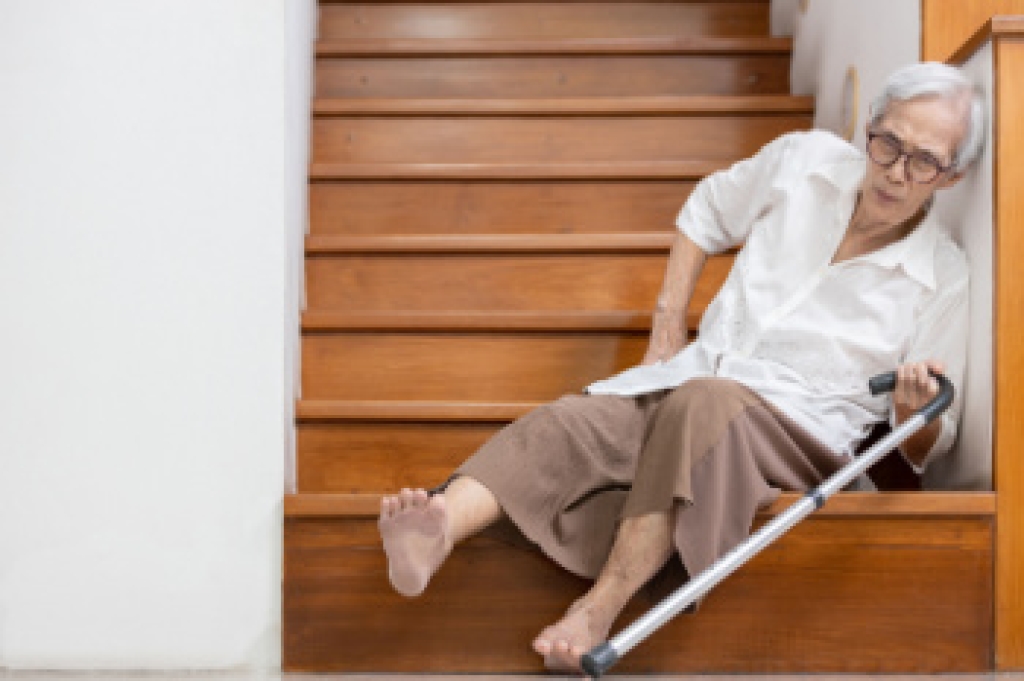
Fall-proofing the home is an important step in protecting overall health and preventing injuries, especially those affecting the feet and lower extremities. Simple adjustments can make daily movement safer and more comfortable. Begin by checking front steps to ensure they are stable and free of hazards. Proper lighting throughout the home helps improve visibility and reduces the risk of tripping in dark areas. Installing a grab bar in bathrooms or near stairways provides additional support and balance. Keeping everyday items within easy reach helps avoid unnecessary stretching or climbing. Reducing clutter on floors and walkways also lowers the chance of accidental falls. Preventing falls helps protect the feet from fractures, sprains, and painful long-term mobility problems. If you have injured your foot or ankle from falling, it is suggested that you consult a podiatrist who can treat various foot and ankle injuries and provide additional fall prevention tips.

Preventing falls among the elderly is very important. If you are older and have fallen or fear that you are prone to falling, consult with Bruce Smit, DPM from Frankfort Foot & Ankle Clinic. Our doctor will assess your condition and provide you with quality advice and care.

Every 11 seconds, an elderly American is being treated in an emergency room for a fall related injury. Falls are the leading cause of head and hip injuries for those 65 and older. Due to decreases in strength, balance, senses, and lack of awareness, elderly persons are very susceptible to falling. Thankfully, there are a number of things older persons can do to prevent falls.

How to Prevent Falls

Some effective methods that older persons can do to prevent falls include:

  • Enrolling in strength and balance exercise program to increase balance and strength
  • Periodically having your sight and hearing checked
  • Discuss any medications you have with a doctor to see if it increases the risk of falling
  • Clearing the house of falling hazards and installing devices like grab bars and railings
  • Utilizing a walker or cane
  • Wearing shoes that provide good support and cushioning
  • Talking to family members about falling and increasing awareness

Falling can be a traumatic and embarrassing experience for elderly persons; this can make them less willing to leave the house, and less willing to talk to someone about their fears of falling. Doing such things, however, will increase the likelihood of tripping or losing one’s balance. Knowing the causes of falling and how to prevent them is the best way to mitigate the risk of serious injury.  

If you have any questions, please feel free to contact our office located in Frankfort, IL . We offer the newest diagnostic and treatment technologies for all your foot care needs.


Read more about Falls Prevention

Heel Pain Can Be Treated!

Do you suffer from heel pain when you get up in the morning? If so, you should seek professional help and have a proper diagnosis performed. Heel pain can be caused by several different foot-related conditions.

Ways Pregnancy Affects the Feet

Pregnancy can cause several changes in the feet and ankles as the body adapts to support a growing baby. As weight increases, more pressure is placed on the feet, which may lead to pain, fatigue, and difficulty walking for long periods. Hormones released during pregnancy also loosen ligaments, the strong bands of tissue that connect bones. This loosening can cause the arches of the feet to flatten, making the feet appear longer or wider. Some women notice swelling in the feet and ankles because pregnancy can slow blood flow from the lower limbs back to the heart. Changes in posture may also occur as the body shifts its balance forward, placing added stress on the feet and ankles. These changes often become more noticeable in the later stages of pregnancy. A podiatrist can evaluate any structural changes, identify the cause of discomfort, and provide treatment to support foot health during pregnancy. If you have foot or ankle pain during pregnancy, it is suggested that you make an appointment with a podiatrist for an exam, diagnosis, and treatment.

Pregnant women with swollen feet can be treated with a variety of different methods that are readily available. For more information about other cures for swollen feet during pregnancy, consult with Bruce Smit, DPM from Frankfort Foot & Ankle Clinic. Our doctor will attend to all of your foot and ankle needs.

What Foot Problems Can Arise During Pregnancy?

One problem that can occur is overpronation, which occurs when the arch of the foot flattens and tends to roll inward.  This can cause pain and discomfort in your heels while you’re walking or even just standing up, trying to support your baby.  

Another problem is edema, or swelling in the extremities. This often affects the feet during pregnancy but tends to occur in the later stages. 

How Can I Keep My Feet Healthy During Pregnancy?

  • Wearing orthotics can provide extra support for the feet and help distribute weight evenly
  • Minimize the amount of time spent walking barefoot
  • Wear shoes with good arch support
  • Wear shoes that allow for good circulation to the feet
  • Elevate feet if you experience swelling
  • Massage your feet
  • Get regular, light exercise, such as walking, to promote blood circulation to the feet

If you have any questions, please feel free to contact our office located in Frankfort, IL . We offer the newest diagnostic and treatment technologies for all your foot care needs.

Read more about Foot Care for Pregnant Women

Why Is My Big Toe Numb?

Numbness in the big toe can develop when nerves that supply sensation become irritated, compressed, or damaged. Common causes include injury to the foot, nerve damage, bunions that place pressure on nearby nerves, and wearing tight-fitting shoes that restrict normal circulation and nerve function. Chronic health conditions like diabetes may also contribute to nerve-related changes that lead to numbness. Risk factors include repetitive pressure on the foot, poor footwear choices, structural foot problems, and underlying medical conditions. Symptoms may include tingling, reduced sensation, burning discomfort, or weakness in the toe area. A podiatrist can evaluate nerve health, foot structure, and footwear habits to guide treatment and relieve pressure on affected nerves. If numbness persists, it is suggested that you consult a podiatrist who can offer effective relief and treatment solutions.

Toe pain can disrupt your daily activities. If you have any concerns, contact Bruce Smit, DPM of Frankfort Foot & Ankle Clinic. Our doctor can provide the care you need to keep you pain-free and on your feet.

What Causes Toe Pain?

Most severe toe pain is caused due to a sports injury, trauma from dropping something heavy on the toe, or bumping into something rigid. Other problems can develop over time for various reasons.

Toe pain can be caused by one or more ailments. The most common include:

  • Trauma
  • Sports injury
  • Wearing shoes that are too tight
  • Arthritis
  • Gout
  • Corns and calluses
  • Hammertoe
  • Bunions
  • Blisters
  • Ingrown toenails
  • Sprains
  • Fractures (broken bones)
  • Dislocations

When to See a Podiatrist

  • Severe pain
  • Persistent pain that lasts more than a week
  • Signs of infection
  • Continued swelling
  • Pain that prevents walking

Diagnosis

In many cases the cause of toe pain is obvious, but in others, a podiatrist may want to use more advanced methods to determine the problem. These can range from simple visual inspections and sensation tests to X-rays and MRI scans. Prior medical history, family medical history, and any recent physical traumatic events will all be taken into consideration for a proper diagnosis.

Treatment

Treatments for toe pain and injuries vary and may include shoe inserts, padding, taping, medicines, injections, and in some cases, surgery. If you believe that you have broken a toe, please see a podiatrist as soon as possible.

If you have any questions please contact our office located in Frankfort, IL . We offer the newest diagnostic and treatment technologies for all your foot and ankle needs.

Read more about Toe Pain

Dealing With Cracked Heels in Cool Weather

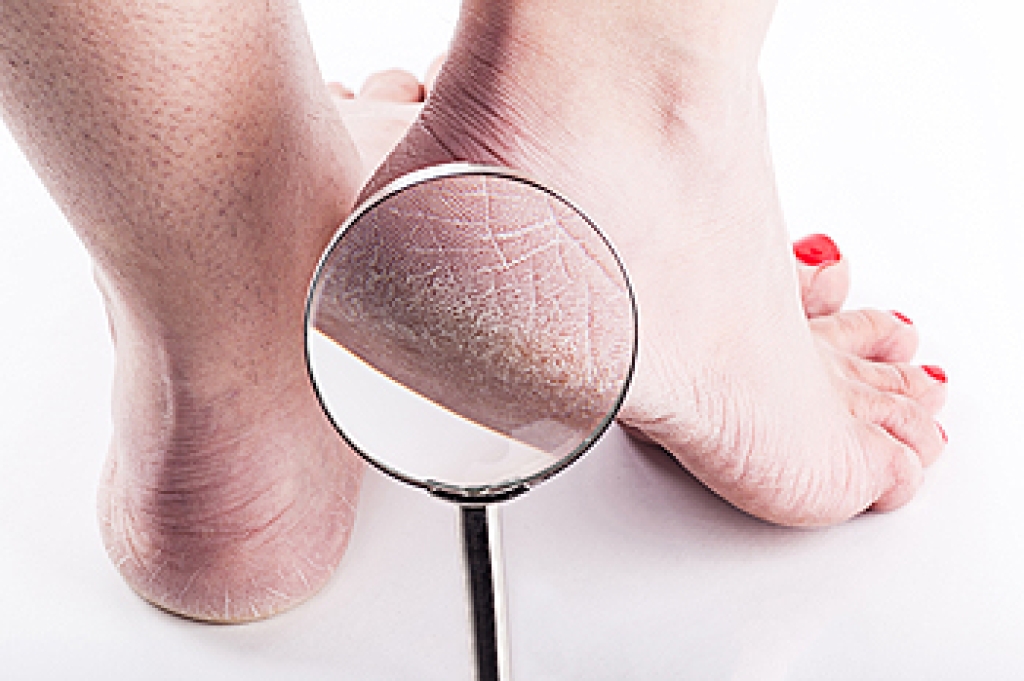
Cracked heels are common in cooler weather because cold air and indoor heating dry out the skin. The skin on the bottom of the heel is naturally thick to handle body weight and pressure. When it becomes too dry, it loses flexibility and can split. These splits, often called fissures, are deep cracks that may cause pain, bleeding, or infection. Standing for long periods, wearing open-backed shoes, and taking long, hot showers can make the problem worse. People with diabetes or poor circulation may have a harder time healing and can face more serious complications. A podiatrist can examine the heels, safely trim thick, hardened skin, and provide professional treatment that helps restore moisture and protect the skin. Early medical care can reduce pain and prevent infection. If you have cracked heels that cause pain, it is suggested that you make an appointment with a podiatrist for an exam, diagnosis, and safe treatment.

Cracked heels are unsightly and can cause further damage to your shoes and feet. If you have any concerns, contact Bruce Smit, DPM from Frankfort Foot & Ankle Clinic. Our doctor can provide the care you need to keep you pain-free and on your feet.

Cracked Heels

Cracked heels appear unappealing and can make it harder for you walk around in sandals. Aside from looking unpleasant, cracked heels can also tear stockings, socks, and wear out your shoes. There are several methods to help restore a cracked heel and prevent further damage.

How Do You Get Them?

Dry skin is the number one culprit in creating cracked heels. Many athletes, walkers, joggers, and even swimmers suffer from cracked heels. Age and skin oil production play a role to getting cracked heels as well.

Promote Healing

Over the counter medicines can help, especially for those that need instant relief or who suffer from chronic dry feet.

Wear Socks – Wearing socks with medicated creams helps lock in moisture.

Moisturizers – Applying both day and night will help alleviate dryness which causes cracking.

Pumice Stones – These exfoliate and remove dead skin, which allows for smoother moisturizer application and better absorption into the skin. 

Change in Diet

Eating healthy with a well-balanced diet will give the skin a fresh and radiant look. Your body responds to the kinds of food you ingest. Omega-3 fatty acids and zinc supplements can also revitalize skin tissue.

Most importantly, seek professional help if unsure how to proceed in treating cracked heels. A podiatrist will help you with any questions or information needed. 

If you have any questions, please feel free to contact our office located in Frankfort, IL . We offer the newest diagnostic and treatment technologies for all your foot care needs.
Read more about Solutions for Cracked Heels
Connect with us
fb x google blog