
We accept most insurance plans. Call today to confirm if we’re in-network with your provider.

Blog

Symptoms of a Broken Ankle

A broken ankle occurs when one or more of the bones that form the ankle joint fracture. This injury can result from a fall, sports-related accident, twisting injury, or motor vehicle collision. The severity of a broken ankle can vary, ranging from a small crack in the bone to multiple fractures that affect the stability of the joint. Symptoms include severe ankle pain, swelling, bruising, and difficulty putting weight on the affected foot. In some cases, the ankle may appear misshapen or unstable. Because many ankle injuries share similar symptoms, a professional evaluation is necessary to determine whether a fracture is present.


A broken ankle can significantly affect mobility and daily activities. Walking, climbing stairs, and standing for extended periods may become difficult or impossible. If the fracture is not properly diagnosed and treated, it can lead to long-term complications, such as chronic ankle pain, joint instability, or post-traumatic arthritis. Imaging studies, such as X-rays, are often needed to identify the location and severity of the fracture. Prompt diagnosis is important because treatment plans vary depending on the type of fracture and whether the bones remain in proper alignment.


A podiatrist is a foot and ankle specialist who can diagnose and manage broken ankles and other ankle injuries. During an evaluation, a podiatrist will assess symptoms, examine the ankle joint, and review imaging results to determine the most appropriate course of treatment. Depending on the severity of the fracture, treatment may involve immobilization, bracing, fracture management, or surgical care. Ongoing monitoring is often important to ensure proper healing and restore ankle function. Early podiatric care can help reduce the risk of complications and support a safe return to normal activities. If you have severe ankle pain, swelling, bruising, difficulty walking, or other symptoms that may indicate a broken ankle, it is suggested that you consult a podiatrist for an evaluation and appropriate treatment options.

Broken ankles need immediate treatment. If you are seeking treatment, contact Bruce Smit, DPM from Frankfort Foot & Ankle Clinic. Our doctor can provide the care you need to keep you pain-free and on your feet. 

Broken Ankles
A broken ankle is experienced when a person fractures their tibia or fibula in the lower leg and ankle area. Both of these bones are attached at the bottom of the leg and combine to form what we know to be our ankle.

When a physician is referring to a break of the ankle, he or she is usually referring to a break in the area where the tibia and fibula are joined to create our ankle joint. Ankles are more prone to fractures because the ankle is an area that suffers a lot of pressure and stress. There are some obvious signs when a person experiences a fractured ankle, and the following symptoms may be present.

Symptoms of a Fractured Ankle

  • Excessive pain when the area is touched or when any pressure is placed on the ankle
  • Swelling around the area
  • Bruising of the area
  • Area appears to be deformed

If you suspect an ankle fracture, it is recommended to seek treatment as soon as possible. The sooner you have your podiatrist diagnose the fracture, the quicker you’ll be on the way towards recovery.

If you have any questions, please feel free to contact our office located in Frankfort, IL . We offer the newest diagnostic and treatment technologies for all your foot care needs.

Read more about All About Broken Ankles

Do Your Child's Feet Hurt?

Have your child's feet been examined lately? Healthy feet are happy feet. If your child is complaining of foot pain, it may be a sign of underlying problems.

Issues With Flat Feet

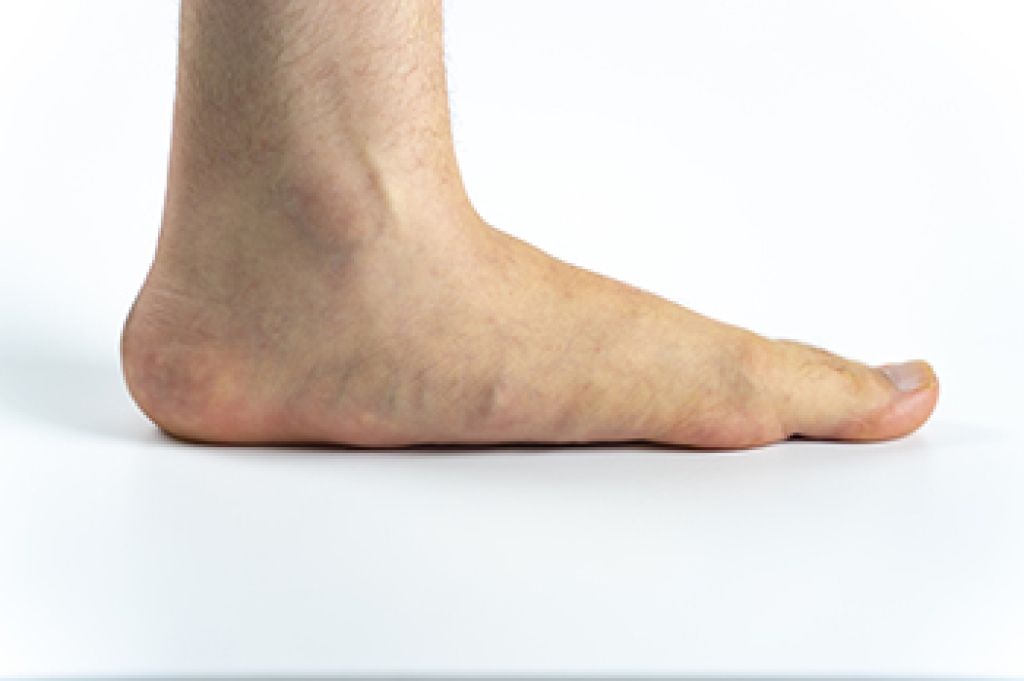
Flat feet, sometimes called fallen arches, occur when the arch on the inside of the foot is very low or absent, causing most or all of the sole to touch the ground. Some people are born with flat feet, while others develop the condition later in life. The most common type is flexible flatfoot, where an arch can be seen when sitting or standing on tiptoes but disappears when weight is placed on the foot. A less common type, called rigid flatfoot, occurs when the arch is absent at all times due to the way the bones are formed. Flat feet can also develop during adulthood as a result of tendon problems, injury, or certain neurological conditions. While some people have no symptoms, others may experience foot pain, fatigue, or difficulty with prolonged standing and walking. A podiatrist can evaluate the structure and function of the feet, analyze walking patterns, and recommend appropriate treatment. This may include supportive footwear, stretching exercises, or custom orthotics. If flat feet are causing discomfort, it is suggested that you schedule an appointment with a podiatrist.

Flatfoot is a condition many people suffer from. If you have flat feet, contact Bruce Smit, DPM from Frankfort Foot & Ankle Clinic. Our doctor will treat your foot and ankle needs.

What Are Flat Feet?

Flatfoot is a condition in which the arch of the foot is depressed and the sole of the foot is almost completely in contact with the ground. About 20-30% of the population generally has flat feet because their arches never formed during growth.

Conditions & Problems:

Having flat feet makes it difficult to run or walk because of the stress placed on the ankles.

Alignment – The general alignment of your legs can be disrupted, because the ankles move inward which can cause major discomfort.

Knees – If you have complications with your knees, flat feet can be a contributor to arthritis in that area.  

Symptoms

  • Pain around the heel or arch area
  • Trouble standing on the tip toe
  • Swelling around the inside of the ankle
  • Flat look to one or both feet
  • Having your shoes feel uneven when worn

Treatment

If you are experiencing pain and stress on the foot you may weaken the posterior tibial tendon, which runs around the inside of the ankle. 

If you have any questions, please feel free to contact our office located in Frankfort, IL . We offer the newest diagnostic and treatment technologies for all your foot care needs.

Read more about What is Flexible Flat Foot?

Toenail Fungus Warning Signs

Toenail fungus is a common condition that affects the nail and surrounding skin when fungal organisms begin to grow in warm, moist environments. It often starts as a small discoloration under the nail and gradually spreads, causing the nail to become thickened, brittle, and discolored. Some people may notice a yellow or white color, along with a foul odor, in more advanced cases. Risk factors include wearing tight shoes, excessive sweating, walking barefoot in public areas, and having reduced circulation or immune response. The condition may develop slowly and can become difficult to manage if left untreated. Over time, it may lead to discomfort and changes in how the nail grows. A podiatrist can evaluate the infection, confirm the diagnosis, and recommend targeted treatments to restore nail health. If you have symptoms of toenail fungus, it is suggested that you consult a podiatrist who can effectively treat this condition, which may include prescribed medication.

For more information about treatment, contact Bruce Smit, DPM of Frankfort Foot & Ankle Clinic. Our doctor can provide the care you need to keep you pain-free and on your feet.

Toenail Fungus Treatment

Toenail fungus is a condition that affects many people and can be especially hard to get rid of. Fortunately, there are several methods to go about treating and avoiding it.

Antifungals & Deterrence

Oral antifungal medicine has been shown to be effective in many cases. It is important to consult with a podiatrist to determine the proper regiment for you, or potentially explore other options.

Applying foot powder on the feet and shoes helps keep the feet free of moisture and sweat.

Sandals or open toed shoes – Wearing these will allow air movement and help keep feet dry. They also expose your feet to light, which fungus cannot tolerate. Socks with moisture wicking material also help as well.

If you have any questions please contact our office located in Frankfort, IL . We offer the newest diagnostic and treatment technologies for all your foot and ankle needs.

Read more about Treating Toenail Fungus

How Athlete's Foot Spreads

Athlete's foot is a fungal infection that affects the skin of the feet and commonly develops in warm, moist environments. The condition often begins between the toes, but may spread to the soles or sides of the feet. Symptoms include itching, burning, and peeling skin. An uncomfortable rash that may sting or become painful may also occur. In some cases, small blisters or dry flaky patches may appear. Athlete's foot can spread through direct contact with contaminated surfaces, such as locker room floors, public showers, and swimming pools. Shared footwear and towels, sweaty feet, and tight shoes also may create conditions that allow the fungus to thrive. A podiatrist can diagnose the infection by examining the skin and determining whether additional testing is needed. Treatment may include antifungal creams, oral medications for persistent infections, and guidance on keeping the feet clean and dry. Proper footwear and hygiene habits can help reduce the risk of recurrence. If you have athlete's foot, it is suggested that you schedule an appointment with a podiatrist for effective treatment solutions.

Athlete’s Foot

Athlete’s foot is often an uncomfortable condition to experience. Thankfully, podiatrists specialize in treating athlete’s foot and offer the best treatment options. If you have any questions about athlete’s foot, consult with Bruce Smit, DPM from Frankfort Foot & Ankle Clinic. Our doctor will assess your condition and provide you with quality treatment.

What Is Athlete’s Foot?

Tinea pedis, more commonly known as athlete’s foot, is a non-serious and common fungal infection of the foot. Athlete’s foot is contagious and can be contracted by touching someone who has it or infected surfaces. The most common places contaminated by it are public showers, locker rooms, and swimming pools. Once contracted, it grows on feet that are left inside moist, dark, and warm shoes and socks.

Prevention

The most effective ways to prevent athlete’s foot include:

  • Thoroughly washing and drying feet
  • Avoid going barefoot in locker rooms and public showers
  • Using shower shoes in public showers
  • Wearing socks that allow the feet to breathe
  • Changing socks and shoes frequently if you sweat a lot

Symptoms

Athlete’s foot initially occurs as a rash between the toes. However, if left undiagnosed, it can spread to the sides and bottom of the feet, toenails, and if touched by hand, the hands themselves. Symptoms include:

  • Redness
  • Burning
  • Itching
  • Scaly and peeling skin

Diagnosis and Treatment

Diagnosis is quick and easy. Skin samples will be taken and either viewed under a microscope or sent to a lab for testing. Sometimes, a podiatrist can diagnose it based on simply looking at it. Once confirmed, treatment options include oral and topical antifungal medications.

If you have any questions, please feel free to contact our office located in Frankfort, IL . We offer the newest diagnostic and treatment technologies for all your foot care needs.

Read more about How to Deal with Athlete's Foot
Connect with us
fb x google blog