You don't need an excuse to have beautiful nails. Step outside without worrying about the appearance of your feet.
You don't need an excuse to have beautiful nails. Step outside without worrying about the appearance of your feet.

Pickleball is a great way for older adults to stay active, but it can place repeated stress on the feet and ankles, especially with quick pivots, side-to-side movements, and sudden stops. These motions can increase the risk of sprains, which occur when ligaments are overstretched during an awkward step or loss of balance. Strains may also develop in muscles and tendons due to overuse or reduced flexibility. For seniors, factors like decreased balance, muscle strength, and joint stability can make these injuries more likely. Wearing shoes that lack proper support or have poor traction can further increase the risk of slipping or instability on the court. A podiatrist can help by evaluating foot structure, addressing pain, and recommending supportive footwear or custom orthotics to improve stability and reduce strain. If you have foot or ankle pain while playing pickleball, it is suggested that you consult a podiatrist, who can relieve discomfort, improve safety, and help you continue enjoying this popular and social activity.
Sports related foot and ankle injuries require proper treatment before players can go back to their regular routines. For more information, contact Bruce Smit, DPM of Frankfort Foot & Ankle Clinic. Our doctor can provide the care you need to keep you pain-free and on your feet.
Sports Related Foot and Ankle Injuries
Foot and ankle injuries are a common occurrence when it comes to athletes of any sport. While many athletes dismiss the initial aches and pains, the truth is that ignoring potential foot and ankle injuries can lead to serious problems. As athletes continue to place pressure and strain the area further, a mild injury can turn into something as serious as a rupture and may lead to a permanent disability. There are many factors that contribute to sports related foot and ankle injuries, which include failure to warm up properly, not providing support or wearing bad footwear. Common injuries and conditions athletes face, including:
Sports related injuries are commonly treated using the RICE method. This includes rest, applying ice to the injured area, compression and elevating the ankle. More serious sprains and injuries may require surgery, which could include arthroscopic and reconstructive surgery. Rehabilitation and therapy may also be required in order to get any recovering athlete to become fully functional again. Any unusual aches and pains an athlete sustains must be evaluated by a licensed, reputable medical professional.
If you have any questions please contact our office located in Frankfort, IL . We offer the newest diagnostic and treatment technologies for all your foot and ankle needs.

Ankle sprains are acute injuries that commonly affect athletes, especially in sports such as basketball, football, and soccer. They often occur when the foot twists or rolls unexpectedly, placing stress on the ligaments on the outer side of the ankle. This can happen during jumping, cutting, or sudden changes in direction. Symptoms include pain, swelling, bruising, and difficulty bearing weight. Risk factors include previous ankle injuries, poor conditioning, inadequate footwear, and uneven playing surfaces. Without proper care, sprains may lead to instability or repeated injury. A podiatrist can help by evaluating the severity of the sprain, providing treatment to reduce inflammation, and guiding rehabilitation. If you have instability from a sprained ankle, it is suggested that you consult a podiatrist who can offer effective relief and treatment solutions.
Ankle sprains are common but need immediate attention. If you need your feet checked, contact Bruce Smit, DPM from Frankfort Foot & Ankle Clinic. Our doctor can provide the care you need to keep you pain-free and on your feet.
How Does an Ankle Sprain Occur?
Ankle sprains take place when the ligaments in your ankle are torn or stretched beyond their limits. There are multiple ways that the ankle can become injured, including twisting or rolling over onto your ankle, putting undue stress on it, or causing trauma to the ankle itself.
What Are the Symptoms?
Preventing a Sprain
Treatment of a Sprain
Treatment of a sprain depends on the severity. Many times, people are told to rest and remain off their feet completely, while others are given an air cast. If the sprain is very severe, surgery may be required.
If you have suffered an ankle sprain previously, you may want to consider additional support such as a brace and regular exercises to strengthen the ankle.
If you have any questions please feel free to contact our office located in Frankfort, IL . We offer the newest diagnostic tools and technology to treat your foot and ankle needs.
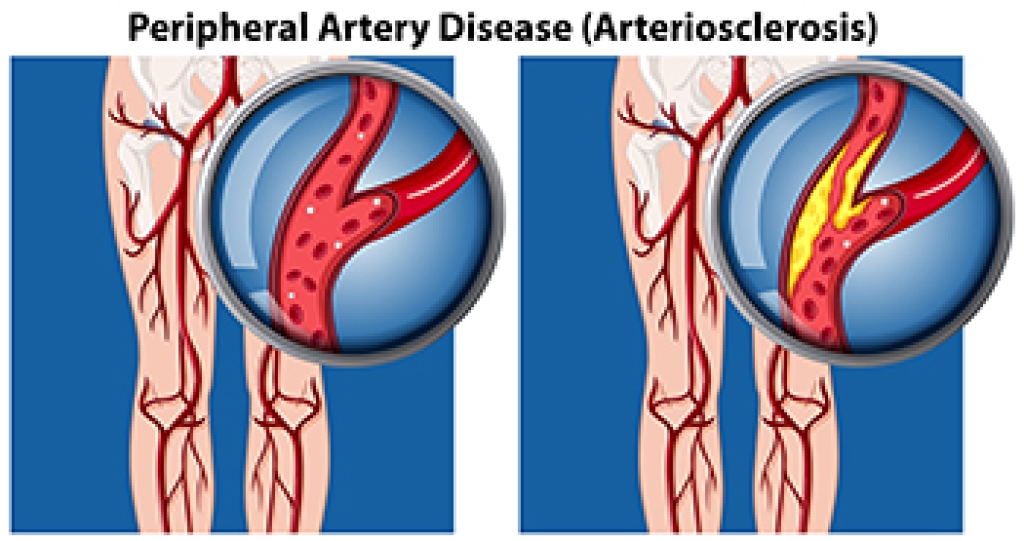
Peripheral artery disease, often called PAD, affects how blood flows to the legs and feet. It is commonly thought of as a problem in the larger arteries, where plaque buildup can limit circulation. However, smaller vessels can also be involved, further reducing blood flow at the tissue level. This combination can make it harder for the body to deliver oxygen and nutrients needed for healing and daily function. People with PAD may notice leg fatigue, cramping with walking, slower healing of cuts, or changes in skin color and temperature. Because both large and small vessels can be affected, symptoms may vary and sometimes appear gradually. Early recognition is important to help manage circulation and reduce the risk of more serious complications. Treatment may include lifestyle changes, medical care, and monitoring of foot health. If you notice signs of poor circulation, it is suggested that you see a podiatrist for a proper diagnosis and appropriate treatment.
Peripheral artery disease can pose a serious risk to your health. It can increase the risk of stroke and heart attack. If you have symptoms of peripheral artery disease, consult with Bruce Smit, DPM from Frankfort Foot & Ankle Clinic. Our doctor will assess your condition and provide you with quality foot and ankle treatment.
Peripheral artery disease (PAD) is when arteries are constricted due to plaque (fatty deposits) build-up. This results in less blood flow to the legs and other extremities. The main cause of PAD is atherosclerosis, in which plaque builds up in the arteries.
Symptoms
Symptoms of PAD include:
It is important to note that a majority of individuals never show any symptoms of PAD.
Diagnosis
While PAD occurs in the legs and arteries, Podiatrists can diagnose PAD. Podiatrists utilize a test called an ankle-brachial index (ABI). An ABI test compares blood pressure in your arm to you ankle to see if any abnormality occurs. Ultrasound and imaging devices may also be used.
Treatment
Fortunately, lifestyle changes such as maintaining a healthy diet, exercising, managing cholesterol and blood sugar levels, and quitting smoking, can all treat PAD. Medications that prevent clots from occurring can be prescribed. Finally, in some cases, surgery may be recommended.
If you have any questions, please feel free to contact our office located in Frankfort, IL . We offer the newest diagnostic and treatment technologies for all your foot care needs.

Plantar fasciitis is a frequent cause of heel pain that develops when the thick band of tissue under the foot becomes strained. Repetitive impact from running, long hours on hard surfaces, or tight calf muscles can lead to small tears, swelling, and pain. A podiatrist can recommend specific exercises to reduce tension and improve flexibility. Among them are calf stretches performed against a wall to loosen the large muscles in the back of the lower leg. Big toe stretches that gently pull the toe upward to lengthen the plantar fascia also help. In addition, towel-assisted or resistance-band stretches can help improve ankle motion. A podiatrist may also prescribe orthotics, taping, and footwear guidance to support healing. If you are experiencing heel pain from plantar fasciitis, it is suggested that you make an appointment with a podiatrist for a diagnosis and treatment options.
Many people suffer from bouts of heel pain. For more information, contact Bruce Smit, DPM of Frankfort Foot & Ankle Clinic. Our doctor can provide the care you need to keep you pain-free and on your feet.
Causes of Heel Pain
Heel pain is often associated with plantar fasciitis. The plantar fascia is a band of tissues that extends along the bottom of the foot. A rip or tear in this ligament can cause inflammation of the tissue.
Achilles tendonitis is another cause of heel pain. Inflammation of the Achilles tendon will cause pain from fractures and muscle tearing. Lack of flexibility is also another symptom.
Heel spurs are another cause of pain. When the tissues of the plantar fascia undergo a great deal of stress, it can lead to ligament separation from the heel bone, causing heel spurs.
Why Might Heel Pain Occur?
Treatments
Heel pain should be treated as soon as possible for immediate results. Keeping your feet in a stress-free environment will help. If you suffer from Achilles tendonitis or plantar fasciitis, applying ice will reduce the swelling. Stretching before an exercise like running will help the muscles. Using all these tips will help make heel pain a condition of the past.
If you have any questions, please feel free to contact our office located in Frankfort, IL . We offer the newest diagnostic and treatment technologies for all your foot care needs.