
We accept most insurance plans. Call today to confirm if we’re in-network with your provider.

Blog

Foot Pain During Pregnancy

Pregnancy can bring noticeable changes to the feet as the body adjusts to added weight and shifting balance. Swelling is one concern, especially later in pregnancy. Extra fluid can collect in the feet because of the baby's weight and position. Foot size can also change. A hormone called relaxin makes ligaments more flexible to prepare the body for delivery. This flexibility can allow the feet to become wider and longer, sometimes resulting in a permanent increase of up to half a shoe size.

Arch pain is another foot problem that can develop during pregnancy. Added weight can increase strain on the arches, while changes in foot structure can cause the arches to flatten. This flattening places extra stress on the plantar fascia, the strong band of tissue that supports the arch. Ingrown toenails can also develop when shoes become too tight as the feet swell or change size. Pressure from wearing tight shoes can push the nail into the surrounding skin, leading to tenderness and inflammation. These changes can make standing and walking less comfortable.

A podiatrist can evaluate pregnancy-related foot pain and determine what is causing the discomfort. Treatment can focus on relieving pressure, supporting the arches, and protecting painful areas of the feet. A podiatrist can recommend wearing properly fitted shoes and custom foot orthotics to improve support. An orthotic is a shoe insert designed to support the foot and improve its position. Podiatrists can also treat ingrown toenails safely and assess persistent swelling or pain. Professional foot care can help patients remain comfortable and active as their bodies change throughout pregnancy. If you have symptoms of pregnancy-related foot problems, it is suggested that you schedule an appointment with a podiatrist for effective relief and treatment solutions.

Pregnant women with swollen feet can be treated with a variety of different methods that are readily available. For more information about other cures for swollen feet during pregnancy, consult with Bruce Smit, DPM from Frankfort Foot & Ankle Clinic. Our doctor will attend to all of your foot and ankle needs.

What Foot Problems Can Arise During Pregnancy?

One problem that can occur is overpronation, which occurs when the arch of the foot flattens and tends to roll inward.  This can cause pain and discomfort in your heels while you’re walking or even just standing up, trying to support your baby.  

Another problem is edema, or swelling in the extremities. This often affects the feet during pregnancy but tends to occur in the later stages. 

How Can I Keep My Feet Healthy During Pregnancy?

  • Wearing orthotics can provide extra support for the feet and help distribute weight evenly
  • Minimize the amount of time spent walking barefoot
  • Wear shoes with good arch support
  • Wear shoes that allow for good circulation to the feet
  • Elevate feet if you experience swelling
  • Massage your feet
  • Get regular, light exercise, such as walking, to promote blood circulation to the feet

If you have any questions, please feel free to contact our office located in Frankfort, IL . We offer the newest diagnostic and treatment technologies for all your foot care needs.

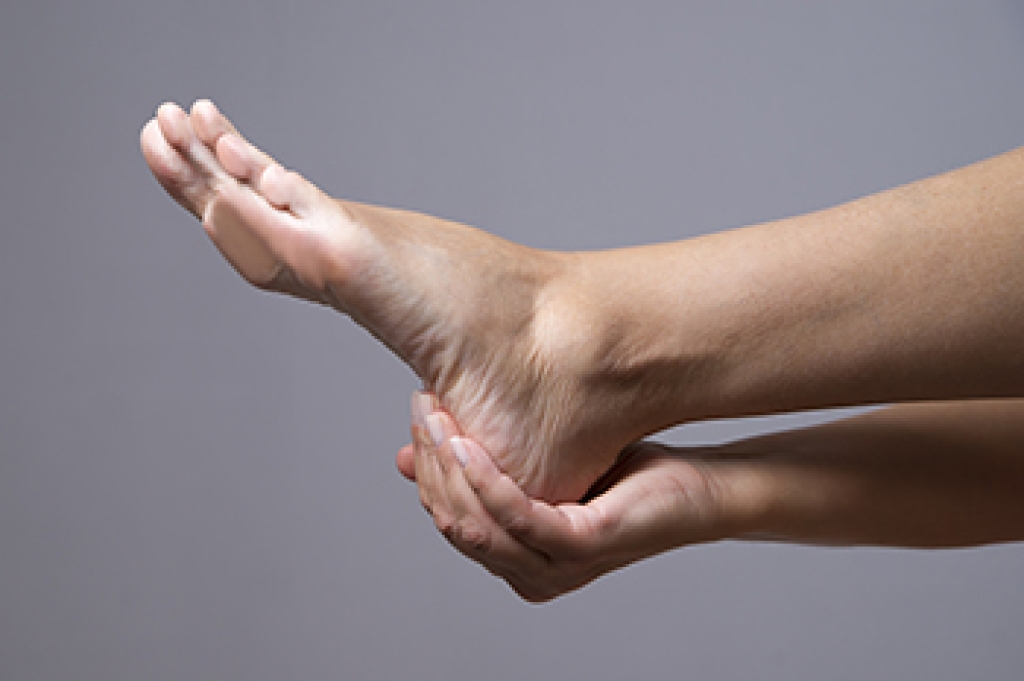
Read more about Pregnancy and Foot Health

Are You Suffering From Ingrown Toenails?

If left untreated, an ingrown toenail can lead to more serious concerns, such as an infection. Knowing proper nail care can help in the prevention of an ingrown toenail. Give us a call, and get treated!

Causes of Arch Pain in the Foot

The arch of the foot helps absorb shock, support body weight, and keep the body balanced. Pain in this area can make standing or walking uncomfortable. It can develop suddenly after an injury or begin gradually from repeated strain. The pain can feel sharp, aching, or burning. It may stay in the arch or spread toward the heel and ankle. Some patients notice worse pain with their first steps in the morning. Others feel it after long periods of standing, running, or other weight-bearing activity.

Plantar fasciitis is a frequent cause of arch pain. It affects the strong band of tissue that runs from the heel to the toes and supports the arch. Other causes include flat feet, high arches, and a strained tendon. A tendon is a firm cord that connects muscle to bone. Pain can also result from a stress fracture, which is a small crack in a bone caused by repeated pressure. Sudden increases in activity and shoes that lack proper support can raise the risk. Swelling, tenderness, or changes in foot shape can help point to the underlying problem.

A podiatrist can examine the foot, review when the pain began, and check how the patient stands and walks. The evaluation can also include tests of strength, movement, and balance. It may also reveal areas receiving too much pressure. X-rays or other imaging tests can help identify a fracture or damage to soft tissue. Treatment depends on the cause and severity of the pain. A podiatrist can provide custom orthotics to improve support and reduce strain. Care can also include bracing or a walking boot. Severe problems that do not improve with conservative care may require surgery. Early diagnosis can prevent the condition from worsening and help patients return to comfortable movement. If you have pain in the arch of your foot, it is suggested that you schedule an appointment with a podiatrist for a diagnosis and appropriate treatment.

If you have any concerns about your feet, contact Bruce Smit, DPM from Frankfort Foot & Ankle Clinic. Our doctor can provide the care you need to keep you pain-free and on your feet.

Biomechanics in Podiatry

Podiatric biomechanics is a particular sector of specialty podiatry with licensed practitioners who are trained to diagnose and treat conditions affecting the foot, ankle and lower leg. Biomechanics deals with the forces that act against the body, causing an interference with the biological structures. It focuses on the movement of the ankle, the foot and the forces that interact with them.

A History of Biomechanics

  • Biomechanics dates back to the BC era in Egypt where evidence of professional foot care has been recorded.
  • In 1974, biomechanics gained a higher profile from the studies of Merton Root, who claimed that by changing or controlling the forces between the ankle and the foot, corrections or conditions could be implemented to gain strength and coordination in the area.

Modern technological improvements are based on past theories and therapeutic processes that provide a better understanding of podiatric concepts for biomechanics. Computers can provide accurate information about the forces and patterns of the feet and lower legs.

Understanding biomechanics of the feet can help improve and eliminate pain, stopping further stress to the foot.

If you have any questions please feel free to contact our office located in Frankfort, IL . We offer the newest diagnostic and treatment technologies for all your foot and ankle needs.

Read more about The Importance of Biomechanics in Podiatry

Heel Pain From Plantar Fasciitis

Plantar fasciitis develops when the strong band of tissue along the bottom of the foot becomes irritated from repeated strain. This band, called the plantar fascia, supports the arch and helps absorb pressure while walking. When it becomes inflamed, it can cause heel pain that ranges from a dull ache to a sharp stabbing feeling. Many patients notice the discomfort when taking their first steps after getting out of bed. Pain also becomes worse after standing or walking for long periods of time, especially on hard surfaces. Some people feel soreness only in the heel, while others notice pain that extends into the arch. Because several foot problems create similar symptoms, an accurate diagnosis is important before treatment begins.

Repeated stress on the plantar fascia is the leading cause of plantar fasciitis. Running, long hours of standing, and frequent walking can place extra pressure on this tissue. Risk factors include flat feet, high arches, and a tight Achilles tendon, which is the strong cord connecting the calf muscles to the heel bone. Carrying extra body weight also increases strain on the bottom of the foot. Wearing shoes that lack proper support or do not fit correctly can add even more pressure. People between 40 and 60 years old develop this condition more frequently, although younger adults can also experience it.

A podiatrist performs a thorough examination, reviews symptoms, watches how you walk, and determines whether plantar fasciitis is causing your heel pain. This foot doctor then creates a treatment plan that matches the cause and severity of the condition. Custom orthotics help support the arch and reduce stress on the plantar fascia. Shoes that improve foot support and reduce repeated strain while walking may be suggested. Prompt diagnosis supports comfort and long-term mobility. If you have heel pain, it is suggested that you schedule an appointment with a podiatrist who can accurately diagnose and treat plantar fasciitis.

Plantar fasciitis is a common foot condition that is often caused by a strain injury. If you are experiencing heel pain or symptoms of plantar fasciitis, contact Bruce Smit, DPM from Frankfort Foot & Ankle Clinic. Our doctor can provide the care you need to keep you pain-free and on your feet.

What Is Plantar Fasciitis?

Plantar fasciitis is one of the most common causes of heel pain. The plantar fascia is a ligament that connects your heel to the front of your foot. When this ligament becomes inflamed, plantar fasciitis is the result. If you have plantar fasciitis you will have a stabbing pain that usually occurs with your first steps in the morning. As the day progresses and you walk around more, this pain will start to disappear, but it will return after long periods of standing or sitting.

What Causes Plantar Fasciitis?

  • Excessive running
  • Having high arches in your feet
  • Other foot issues such as flat feet
  • Pregnancy (due to the sudden weight gain)
  • Being on your feet very often

There are some risk factors that may make you more likely to develop plantar fasciitis compared to others. The condition most commonly affects adults between the ages of 40 and 60. It also tends to affect people who are obese because the extra pounds result in extra stress being placed on the plantar fascia.

Prevention

  • Take good care of your feet – Wear shoes that have good arch support and heel cushioning.
  • Maintain a healthy weight
  • If you are a runner, alternate running with other sports that won’t cause heel pain

There are a variety of treatment options available for plantar fasciitis along with the pain that accompanies it. Additionally, physical therapy is a very important component in the treatment process. It is important that you meet with your podiatrist to determine which treatment option is best for you.

If you have any questions, please feel free to contact our office located in Frankfort, IL . We offer the newest diagnostic and treatment technologies for all your foot care needs.

 

Read more about Plantar Fasciitis

Managing Foot Arthritis With Podiatrist Care

Foot arthritis can cause pain, stiffness, and reduced movement in different parts of the foot. Arthritis develops when a joint becomes damaged or irritated, which can make normal movement uncomfortable. The foot contains many small joints, so arthritis can affect the toes, middle of the foot, or ankle. Some people notice pain while walking, standing, or moving the affected joint. Stiffness can also make it harder to move the foot normally. Symptoms vary, depending on the joint involved and the type of arthritis. A podiatrist can examine the foot and determine which areas are affected. An evaluation can also help identify whether arthritis or another foot problem is causing the symptoms. 

A podiatrist can create a treatment plan based on the location and severity of foot arthritis. Care can include treatments that reduce pressure on painful joints, support proper foot movement, and improve comfort while walking. A podiatrist can also evaluate how the shape and movement of the foot affect painful areas. Wearing shoes that lack proper support can place additional stress on certain parts of the foot, so a podiatrist can discuss footwear choices that better support the affected area. Treatment can also focus on maintaining movement and reducing the effect arthritis has on daily activities.

When foot arthritis causes persistent pain or limits normal activity, a podiatrist can discuss additional treatment options. These options depend on the affected joint, the severity of symptoms, and how well the foot responds to initial care. In some cases, injections can help reduce pain and inflammation. Surgery can also be considered when severe arthritis causes significant pain or makes movement difficult. A podiatrist can explain the available options and help determine which approach fits the condition of the foot. Getting an evaluation can help identify the source of symptoms and provide a clear plan for treatment. If you have symptoms of foot arthritis, it is suggested that you schedule an appointment with a podiatrist for effective relief and management solutions. 

Arthritis can be a difficult condition to live with. If you are seeking treatment, contact Bruce Smit, DPM from Frankfort Foot & Ankle Clinic. Our doctor can provide the care you need to keep you pain-free and on your feet.

Arthritic Foot Care  

Arthritis is a term that is commonly used to describe joint pain.  The condition itself can occur to anyone of any age, race, or gender, and there are over 100 types of it.  Nevertheless, arthritis is more commonly found in women compared to men, and it is also more prevalent in those who are overweight. The causes of arthritis vary depending on which type of arthritis you have. Osteoarthritis for example, is often caused by injury, while rheumatoid arthritis is caused by a misdirected immune system.

Symptoms

  • Swelling
  • Pain
  • Stiffness
  • Decreased Range of Motion

Arthritic symptoms range in severity, and they may come and go. Some symptoms stay the same for several years but could potentially get worse with time. Severe cases of arthritis can prevent its sufferers from performing daily activities and make walking difficult.

Risk Factors

  • Occupation – Occupations requiring repetitive knee movements have been linked to osteoarthritis
  • Obesity – Excess weight can contribute to osteoarthritis development
  • Infection – Microbial agents can infect the joints and trigger arthritis
  • Joint Injuries – Damage to joints may lead to osteoarthritis
  • Age – Risk increases with age
  • Gender –Most types are more common in women
  • Genetics – Arthritis can be hereditary

If you suspect your arthritis is affecting your feet, it is crucial that you see a podiatrist immediately. Your doctor will be able to address your specific case and help you decide which treatment method is best for you.

If you have any questions please feel free to contact our office located in Frankfort, IL . We offer the newest diagnostic tools and technology to treat your foot and ankle needs.

Read more about How to Care for Your Arthritic Foot
Connect with us
fb x google blog